CRM
CRM Software for Small Businesses: Do You Really Need It?
Learn when a small business needs CRM, which customer signals matter, and how to avoid turning relationship software into unused admin.
By ZenshoTech Team · Published · Updated
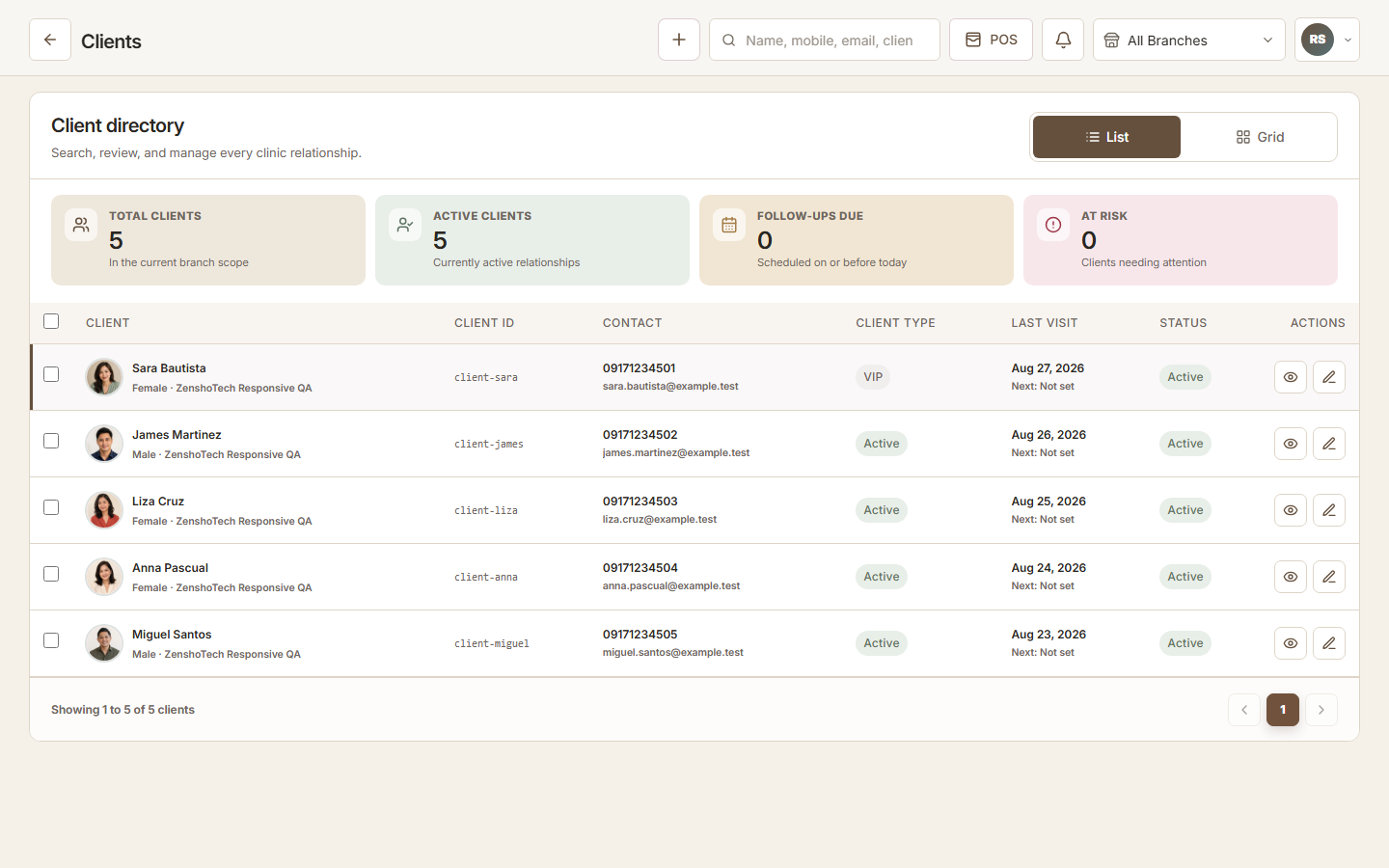
A small business needs CRM when customer relationships can no longer be managed reliably through memory, inboxes, and a contact spreadsheet. The purpose is not to create more data entry; it is to make ownership, context, and next actions dependable.
Recognize the trigger
CRM becomes useful when inquiries go unanswered, customers repeat their story, two staff contact the same lead, or nobody knows what should happen next. Volume matters less than coordination complexity.
A simple business with few repeat customers may not need a full pipeline. Start with the smallest system that creates a clear source of truth.
- Leads arrive through several channels
- More than one person serves the relationship
- Appointments or sales should connect to the customer
- Follow-up dates are missed
- Duplicate profiles affect reporting
What to record
Capture information that helps someone act: contact details, source, interest, owner, stage, last activity, and next step. For customers, retain useful purchase or visit context and explicit communication preferences.
Do not collect sensitive information without a defined purpose, access policy, and retention approach. More fields do not automatically mean better CRM.
| Useful field | Operational question answered |
|---|---|
| Source | How did this person find us? |
| Interest | What are they considering? |
| Owner | Who is responsible? |
| Next action | What happens and when? |
| History | What relevant contact or activity occurred? |
| Preference | Which communication is appropriate? |
Build a workflow staff will use
Define a few meaningful stages and the evidence required to move between them. Avoid twenty statuses that mean different things to every person.
Review open leads and overdue follow-ups regularly. Automation can remind or prepare work, but a person should own the outcome.
Practical checklist
- Define stages
- Assign every active lead
- Require a next action
- Merge duplicates
- Close lost or invalid records with a reason
- Review communication choices
Measure service, not vanity
Useful measures include response time, unowned leads, follow-up completion, conversion by qualified source, repeat visits, and duplicate rate. A large database is not valuable if records are stale or consent is unclear.
Interpret conversion carefully. Different sources and services may represent very different intent.
ZenshoTech CRM context
ZenshoTech connects lead source, interest, ownership, follow-up, customer profiles, appointments, transactions, marketing audiences, and reports.
Use the trial to model a small number of real relationships and decide whether the system removes more coordination work than it adds.
Frequently asked questions
Is a contact list a CRM?
It stores people, but a CRM also organizes relationship context, ownership, activity, and next actions.
How many pipeline stages are enough?
Use the smallest set that maps to real decisions and is understood consistently by the team.
Can CRM automate all follow-up?
Automation can assist, but ownership, judgment, consent, and service quality remain human responsibilities.